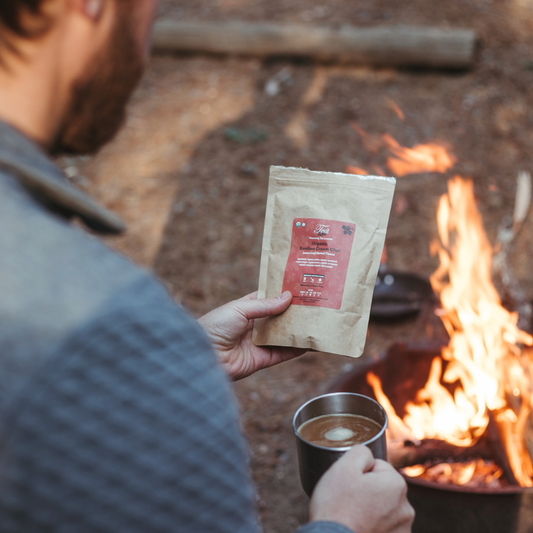
Heating Up (Your Drinks) in October
A warm beverage is like a big hug. What a steamy drink does for the body and soul—especially in the cooler months—cannot be replicated. Every October, there’s a natural shift toward warmer foods and beverages. While cold drinks are refreshing in the summer, you may be seeking to replace that feeling with something a bit more substantial.
Pragmatic Practices
Hot drinks are a practical addition to your daily fall-through-spring routine. For a lot of us, they are easier to sip slowly, can feel gentler on the stomach, and feel great after a meal or first thing in the morning. A cup of organic loose-leaf tea, brewed hot, is well-suited to this time of year. The blends at Heavenly Tea Leaves come in a huge variety of delicious flavors. Moving beyond traditional caffeinated tea, there are plenty of naturally caffeine-free options for people who want to enjoy it throughout the day, or who have health limitations or other preferences around caffeine.
For some, the switch from cool to warm can be daunting, but we’re here to make the case. Here are 5 reasons to make warm beverages—and especially loose leaf tea—a regular part of your routine.
5 Reasons to Make Warm Beverages Part of Your Routine
1. Easy Digestion
There’s a reason why warm beverages are often associated with after-meal routines. A warm drink can be soothing and may feel more comfortable to consume than a very cold beverage, particularly when your stomach is already full. Certain teas have also traditionally been used to support digestion. Ginger tea, for example, has long been used to help settle the stomach and is commonly consumed for nausea. Peppermint tea is another popular post-meal choice—peppermint has been studied for soothing bloat and, anecdotally, is known to ease general digestive discomfort.
By contrast, a very cold drink alongside a full meal can feel jarring or rough on your system, and many people simply find it less comfortable to sip.
The temperature itself can also be part of what makes us crave a hot cup. It’s ultra-relaxing after eating, and instead of adding to the sense of fullness that can sometimes come from consuming a super-cold drink, it acts as a soother. If you’re looking for a simple, no-calorie item to enjoy after a meal, some warm tea is the most pleasant and satisfying option.
2. Warmth Is Comfort
When the weather changes, what we want to drink changes with it. There is a practical reason for this: A hot sip can help you feel more comfortable when you're cold, particularly when you're spending time indoors. Just holding a heated mug can also make a simple beverage feel more satisfying than reaching for a glass of something straight from the refrigerator.
Tea works well served hot because you can adjust the experience depending on the season—there’s no need to be bored by your drink. For example, a light green tea can work well in the morning or afternoon. A robust black tea is satisfying with breakfast. Ginger, cinnamon, chai, and other spiced blends are particularly appropriate when the weather turns colder. And unlike many seasonal drinks, tea doesn't need to be loaded with sugar, cream, or flavored syrups to be enjoyable. A good loose-leaf tea can deliver top flavor on its own.
3. Being Mindful of Dairy Sensitivity
Lactose is the sugar naturally found in milk and other dairy products. If you’re lactose-sensitive like a lot of people, finding a non-dairy sip is key to having an enjoyable and balanced regimen. Depending on the person, consuming dairy can lead to bloating, gas, abdominal discomfort, or diarrhea. Unlike a latte or a creamy coffee drink, tea is a warm beverage that doesn’t need dairy to enhance its flavor or consistency.
That makes a warm tea a simple alternative. Black tea, green tea, oolong, herbal tea, and fruit-forward blends can all be enjoyed without milk. If you prefer something creamy, plant-based alternatives such as oat, almond, soy, or coconut milk can also be used, depending on your dietary preferences and tolerance.
Many people say dairy makes their mouth or throat feel temporarily coated or thicker with mucus—especially when they have a cold or flu. If a cold, sinus infection, or wet cough is something you’re trying to get past, avoiding dairy might make a meaningful difference. A warm, dairy-free tea can provide the comfort of a hot beverage without the potential stomach upset or mucus-y upswing.
4. A Variety of Teas, A Variety of Benefits
Perhaps the best part about tea is that "tea" isn't really one beverage. Different varieties have different flavors, caffeine levels, and naturally occurring compounds. Green and black teas are made from the same plant, Camellia sinensis, but are processed differently. Both contain polyphenols and naturally occurring caffeine. Oolong falls somewhere between green and black tea in terms of processing and offers its own distinctive flavor profile.
Herbal teas are technically infusions rather than true teas because they aren't made from the tea plant. They can nevertheless be an excellent option, particularly when you want something naturally caffeine-free.
Consider keeping a few types on hand:
For mornings:
Black tea like Earl Grey or Assam.
For after meals:
Ginger or other herbal teas that you find particularly soothing and smooth.
For afternoons:
Green tea, oolong, or a lighter blend.
For evenings:
Chamomile (try a HTL Relaxation blend), rooibos, mint, or another naturally caffeine-free option.
For cold weather:
Spice-forward blends featuring ginger, cinnamon, cardamom, cloves, or other warming spices.
5. A Practical Daily Habit
You don't need to turn tea-drinking into a complicated ritual. One of the best things about a hot drink is how easy it is to incorporate into an existing routine. Have tea with breakfast. Make a cup after lunch. Replace an afternoon cold drink with something heated. Brew a caffeine-free herbal tea after dinner.
Stepping Away From the Office
If you work at a desk, making tea can provide a natural reason to step away from the computer for a few minutes and partake in a ritual. And because loose-leaf tea requires a little more preparation than opening a can or pouring a drink from the refrigerator, it can make the drink itself feel more deliberate.
The Case for Heating Up Your Cup
There are plenty of pragmatic reasons to make hot drinks part of your routine. They are warming when the weather is cold, can be pleasant after meals, provide variety without necessarily requiring added sugar, and offer plenty of caffeine-free options. For people who are sensitive to dairy, tea can also be an easy way to enjoy a warm beverage without the digestive or sinus discomfort that dairy can cause.
And maybe that's the real appeal of a great cup of tea: simplicity.